
Stage 1
The seeds of IBS are sown
For many people, IBS develops after a combination of triggers: gut infections, periods of high stress, early life experiences, diet and medications.
Expert IBS support in your pocket
Structured education, pattern tracking, and practical self-management tools for life with IBS.
Start with awareness - understand your IBS before changing anything.
Log symptomsThen we build your plan, one small step at a time.
Small, doable steps that fit your day.
 1 tbsp linseed at breakfast2 kiwifruit with breakfast
The gentle fibres that ease IBS-C, without the bloat.

 Kiwi
Kiwi Oats
Oats Chia
Chia Linseed
Start with awareness - understand your IBS before changing anything.
Log symptomsThen we build your plan, one small step at a time.
Small, doable steps that fit your day.
1 tbsp linseed at breakfast2 kiwifruit with breakfastThe gentle fibres that ease IBS-C, without the bloat.
KiwiOatsChiaLinseedWe're inviting people with diagnosed IBS to test Ahara's IBS Foundations Programme now, before the official launch in September 2026. Add your email to reserve free early access.
Prefer a tailored start? Scroll down to take the 60-second quiz to personalise the programme to your IBS pattern.
IBS patterns vary, and so does the support that helps. Answer a few quick questions so Ahara can tailor your programme to your bowel-habit pattern.
 Before you start+
The IBS pattern quiz and Ahara IBS Foundations Programme are only suitable for people who have already been diagnosed with IBS.
This tool can help you understand your likely IBS pattern, but it does not diagnose IBS. If your symptoms are new, severe, worsening, or include rectal bleeding, unexplained weight loss, iron deficiency anaemia, persistent vomiting, or symptoms waking you from sleep, please seek medical advice before using the programme.
Ahara uses your responses to tailor education and self-management support. It does not provide a medical diagnosis or treatment.
Question 1 of 2
Choose the option that best applies to you.
From symptom confusion to food fear, conflicting advice and trial-and-error self-management. This is the cycle Ahara is designed to interrupt.
For many people, IBS develops after a combination of triggers: gut infections, periods of high stress, early life experiences, diet and medications.

Debilitating pain, persistent diarrhoea, constipation or sudden urges to go begin to affect daily life. Your social life, work and health suffer quietly.

You are sent for scans, blood tests, endoscopy. Results return normal. The cycle repeats. Months turn to years. No answers, no management plan.

Desperate for relief, you may have tried a supposed ‘miracle supplement’ or followed advice from an influencer. This often deepens confusion and delays real, evidence-based solutions.

Even once IBS is diagnosed, you may feel you have been left to manage it alone, without the personalised, practical support needed for day-to-day care.
For many people, IBS develops after a combination of triggers: gut infections, periods of high stress, early life experiences, diet and medications.
Debilitating pain, persistent diarrhoea, constipation or sudden urges to go begin to affect daily life. Your social life, work and health suffer quietly.
You are sent for scans, blood tests, endoscopy. Results return normal. The cycle repeats. Months turn to years. No answers, no management plan.
Desperate for relief, you may have tried a supposed ‘miracle supplement’ or followed advice from an influencer. This often deepens confusion and delays real, evidence-based solutions.
Even once IBS is diagnosed, you may feel you have been left to manage it alone, without the personalised, practical support needed for day-to-day care.
My gut controls my life.
I feel dismissed by doctors.
I feel like I'm managing this alone.



“Āhāra” (आहार) is Sanskrit for nourishment.
Not just food, but everything we take in: what we eat, breathe, feel, think, and absorb from the world around us. This matters in IBS because digestion and day-to-day symptoms are rarely shaped by food alone.
Ahara was built to reflect this: a modern, evidence-informed approach to IBS that looks at the whole picture.
Move away from scattered advice to a clear, clinician-designed plan.
This 4-week programme brings diet, gut-brain science, movement, gut mechanics, symptom tracking and practical self-management into one clinician-designed pathway, personalised to your IBS pattern from day one.

Take our 60-second quiz to identify your IBS pattern.

Begin a 4-week plan tailored to your IBS pattern.

Select simple, evidence-informed actions that fit your symptoms and lifestyle.
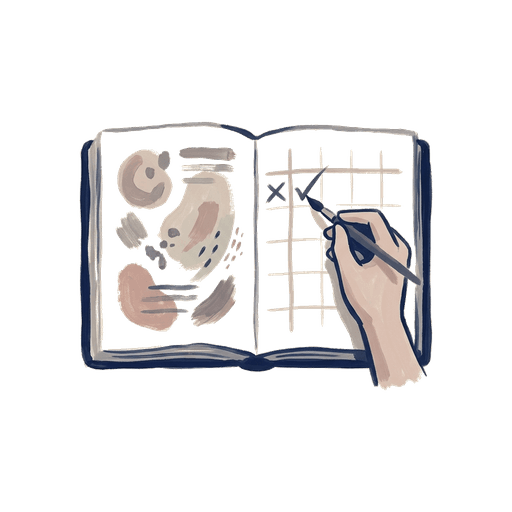
Log bloating, pain and bowel patterns to see what helps.

Build the knowledge and habits to manage IBS day-to-day.

IBS-C, IBS-D, IBS-M, or IBS-U.

Short, digestible lessons over 4-weeks.

Track symptoms and what actually helps.
IBS doesn't simply disappear after four weeks, and neither do we. After the Foundations Programme, Ahara helps you keep learning, track your patterns, revisit key skills, and build a self-management routine that fits real life. Members can access ongoing check-ins, monthly pattern reviews, advanced education pathways, community support, and expert-led learning sessions.
Your personalised, clinician-designed 4-week plan. The first thing you'll get inside the Ahara app.
Launching soonTracking, advanced learning, community and expert-led sessions.
Launching soonCognitive behavioural therapy, gut-directed hypnotherapy, Ahara diet programmes, pelvic floor and yoga.
Coming soon
Understand the role of food in IBS, including practical dietary strategies without unnecessary restriction.

Learn how physical activity, gentle movement, and routine can support gut function and symptom control.
Practical guidance on toileting posture, urge management, abdominal massage, bloating strategies, and pelvic floor coordination.

Understand how stress, sleep, the nervous system, and gut sensitivity interact, and what you can do about it.

Cut through conflicting advice and learn what actually matters, what is overhyped, and what may be harmful or unnecessary.

Clinical evidence made digestible, translating research into practical, everyday decisions for people living with IBS.

Guidance for flares, sleep, socialising, travel, healthcare navigation, red flags, and knowing what to do next.
Track symptoms, habits, and patterns in a simple, structured way.
Focus on one part of the journey
Brings the different parts of IBS care together
Offer limited personalisation
Tailors support to symptoms, IBS pattern, and goals
Emphasise tracking over guidance
Combines tracking with education and action
Support only narrow use cases
Covers multiple domains of IBS self-management
Leave users to piece things together
Provides a more connected, clinician-designed experience
IBS has long been an enigma for clinicians, as the usual tools in the diagnostic repertoire (scans, scopes and lab tests) come back normal.
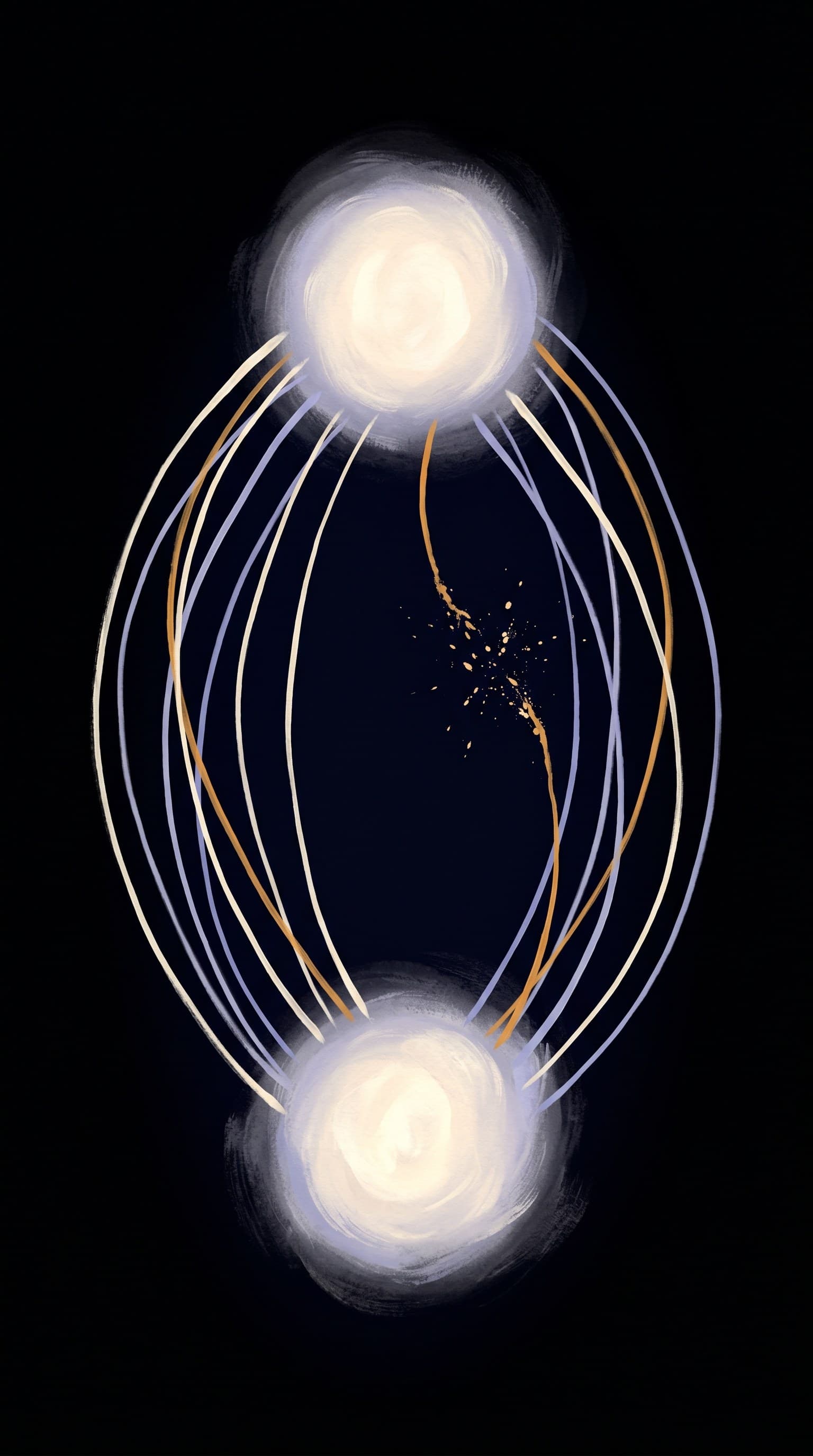
That is because IBS is not a structural disease you can simply see on a scan. It is a disorder of gut brain interaction where there are changes in how the brain, gut and nervous system communicate.
We all recognise this connection in everyday life, like butterflies in your stomach when you are nervous.
IBS is a software problem rather than a hardware one.”
In IBS, that gut brain signalling malfunctions, leading to debilitating symptoms such as abdominal pain, bloating, diarrhoea or constipation.
In other words, IBS is a software problem rather than a hardware one.
Addressing IBS means upgrading the whole software programme, not searching for one faulty part. It requires a coordinated, personalised approach across diet, lifestyle, movement, stress, gut brain signalling and symptom tracking. Ahara gives you the tools to do exactly that.
Our team
We are a team of clinicians and researchers. Our work has been shaped by years of caring for patients and seeing firsthand how often they are let down by fragmented systems, scattered advice, limited support and overwhelming online noise. We built Ahara to change that.

Ahara Founder & CEO
Gastroenterologist, MBBS PhD FRACP
In clinic I have thirty minutes to help someone understand their IBS and change how they manage it. Most patients never get that. I built Ahara to close the gap.
A Consultant Gastroenterologist, PhD researcher and NHS Clinical Entrepreneur Fellow, Sibhi founded Ahara to give people with IBS the structured education and practical tools a short appointment cannot. He is passionate about turning the science of IBS into clear, everyday actions.

Ahara Co-Founder & Chief Scientific Officer
Dietitian, BSc (Hons), PhD, APD
The hardest part of IBS can be knowing where to find credible support, and the time and money it takes. Ahara brings science-led, multidisciplinary support together so people can live well with IBS.
Alice is a PhD-qualified Dietitian and Scientist with 20 years of experience supporting people with digestive problems. She is passionate about making nutrition science simple, helping people understand how their gut works and providing practical, evidence-based strategies to manage symptoms and feel their best.

Ahara Co-Founder & Chief Product Officer
Brilliant clinical care counts for little if the product is hard to use. My job is to make Ahara something people genuinely want to open every day.
Chris leads Ahara's product, design and technology. With over a decade of experience building consumer digital products, he turns clinical insight into an experience that feels simple, trustworthy and genuinely useful in everyday life.

You have been diagnosed with IBS, and want structured, clinician-designed education to help you better understand your symptoms, evidence-informed self-management options, and treatment journey.

You feel overwhelmed by conflicting advice, have tried multiple diets or supplements without a clear plan, are unsure where to start, or want a practical foundation before moving on to medications, advanced dietary strategies (e.g. Low FODMAP), psychological therapies or other specialist treatments.

Your symptoms are new, severe, rapidly worsening, or include rectal bleeding, black stools, unexplained weight loss, iron deficiency anaemia, persistent vomiting, fever, night-time diarrhoea, or a new change in bowel habit after age 50.

It provides general education and self-management support, not a diagnosis, personalised medical advice, or emergency care.